
 CE DESK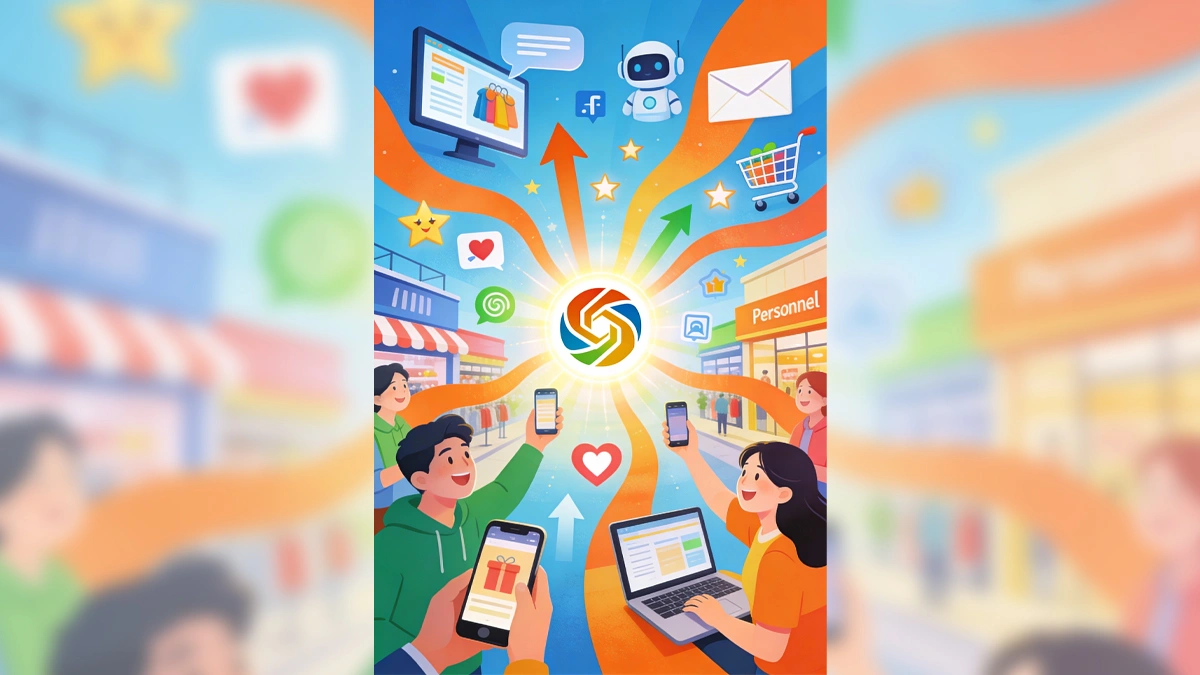
Explore customer engagement: build loyalty with personalized strategies, omnichannel tactics, AI tools, and key metrics like NPS for retention and growth.
What Is Customer Engagement?
Customer engagement is the process by which a brand builds meaningful, consistent, and value-driven interactions with its customers across multiple touchpoints. It includes how customers interact with a brand’s content, platforms, products, services, and people—before, during, and after a transaction.
From an SEO and business standpoint, customer engagement is closely linked to customer experience (CX), brand loyalty, and long-term retention. It goes beyond sales to include emotional connection, trust, relevance, and participation. High customer engagement indicates that customers are actively choosing to interact with a brand rather than being passively exposed to it.
Why Every Business Needs Customer Engagement
Customer engagement is no longer optional—it is essential for business growth and sustainability. In highly competitive and digitally driven markets, customers expect relevance, personalization, and seamless experiences across channels.
Businesses that invest in strong customer engagement strategies benefit from:
- Higher customer retention and repeat purchases
- Improved brand loyalty and advocacy
- Stronger customer lifetime value (CLV)
- Better understanding of customer behaviour and preferences
- Increased resistance to competitor switching
Search trends show growing interest in customer engagement strategies as businesses realise that acquisition without engagement leads to short-term results and long-term attrition. Engaged customers are more likely to trust brands, recommend them, and remain loyal even during market disruptions.
How to Engage Your Customers Effectively
Successful customer engagement requires a strategic blend of data, creativity, technology, and human insight. The most effective engagement strategies are customer-centric, measurable, and scalable.
Key Customer Engagement Strategies
- Personalized Experiences: Use customer data to tailor communication, content, and offers.
- Omnichannel Engagement: Maintain consistency across digital, physical, and service touchpoints.
- Content-Led Engagement: Deliver informative, entertaining, or solution-oriented content instead of promotional messaging.
- Interactive Communication: Enable two-way engagement through feedback, communities, and experiential initiatives.
- Technology & AI Enablement: Use AI, CRM platforms, and automation tools to improve relevance, timing, and scale of engagement.
Modern customer engagement increasingly leverages AI-driven personalization, predictive analytics, and real-time interactions, making relevance and speed critical success factors.
Measure Your Customer Engagement Success
Measuring customer engagement is critical to understanding performance and improving outcomes. Businesses should track both quantitative metrics and qualitative insights to evaluate engagement effectiveness.
Key Customer Engagement Metrics
- Customer retention and churn rates
- Engagement rates (click-throughs, interactions, time spent)
- Net Promoter Score (NPS) and customer satisfaction (CSAT)
- Conversion rates from engagement campaigns
- Customer lifetime value and advocacy indicators
For SEO and business impact, engagement metrics should be reviewed alongside revenue growth, brand perception, and customer trust indicators. Measurement should focus on long-term relationship value, not just short-term campaign performance.
Conclusion: Why Customer Engagement Drives Business Growth
Customer engagement is a strategic business function that influences loyalty, retention, and brand strength. Companies that prioritise meaningful, measurable, and technology-enabled engagement are better positioned to meet evolving customer expectations and sustain competitive advantage.
As digital transformation accelerates, customer engagement will continue to be the defining factor that separates high-performing brands from the rest.
Discover more from Customer Engagement
Subscribe to get the latest posts sent to your email.